Understanding Roof Ventilation: Importance and Benefits for Your Home Mar 07, 2026
Roof ventilation is designed to allow the fresh air to enter the attic or roof space and the stale or hot air to escape. This constant airflow helps mitigate the effects of temperature and moisture extremes. In the warm months, a well-ventilated roof lets hot air escape outside, reducing the burden on your air conditioning system and lowering energy costs. During cold months, ventilation helps prevent moisture-induced problems like mold and ice dams, which can cause long-term damage to roofing structures.
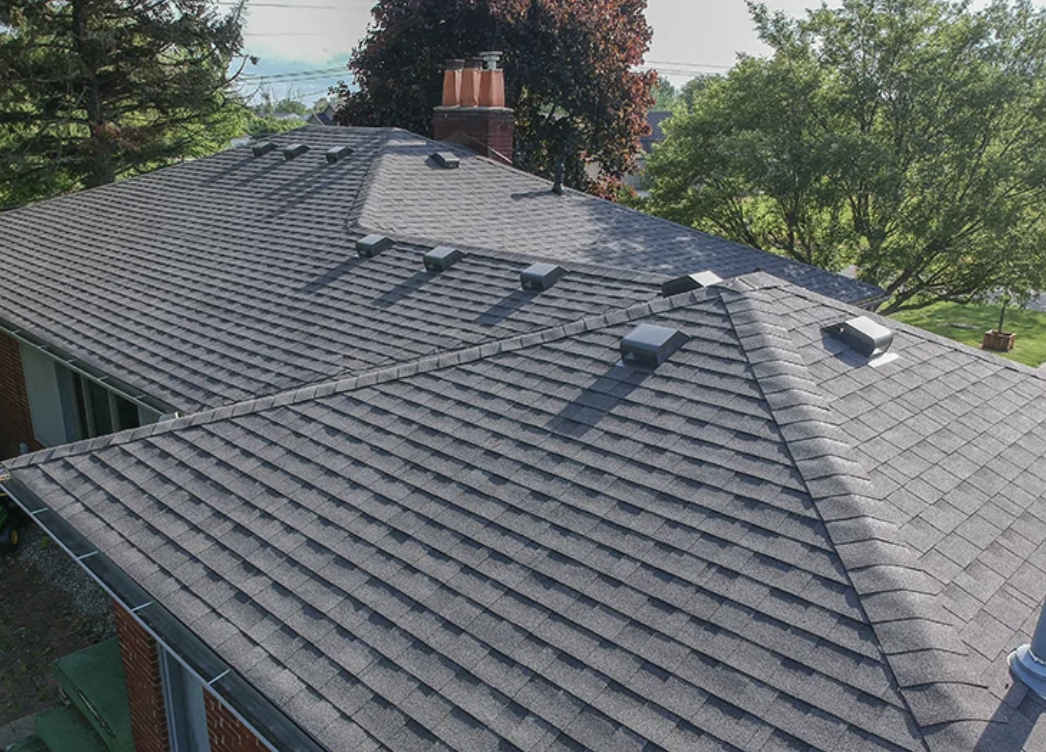
The key elements of a good ventilation system include intake vents located at the eaves and exhaust vents situated at or near the roof ridge. The intake vents draw cool air into the attic, and as it heats up, the design allows it to rise and exit through the exhaust vents. This cycle creates a natural pathway for the air to flow, reducing heat buildup and moisture accumulation.
One of the primary benefits of roof ventilation is energy efficiency. By assisting in the regulation of temperature, particularly during hot summer months, it lessens the need for air conditioning, thereby reducing electricity usage. Homeowners will appreciate the resulting lower utility bills. Additionally, keeping your attic space cooler can significantly extend the life of your shingles, which may degrade quickly from excessive heat.
Another significant advantage lies in moisture control. Roof ventilation plays a critical role in eliminating excess moisture that can lead to rot and mold growth. Mold can cause significant damage to roofing materials and compromise the structural integrity of a home. Moreover, excess moisture can drip onto insulation, reducing its effectiveness and leading to further efficiency issues.
Proper ventilation also helps to maintain indoor comfort levels. A home with poor roof ventilation can lead to hot air being trapped inside, making living spaces uncomfortable and significantly reducing air quality. Well-ventilated homes manage air exchange more efficiently, providing a healthier environment for occupants.
Furthermore, during winter, roof ventilation helps manage snow and ice buildup. Ice dams form when heat rises to the roof and melts the snow, which then refreezes near the roof edges, causing water to back up under the shingles. Effective roof ventilation keeps attic temperatures closer to the outdoor temperatures, preventing roof snow from melting too quickly and safeguarding against these issues.
At B. Griffith Roofing, Inc., we understand that investing in quality roof ventilation is an investment in the longevity of your home. By optimizing ventilation, homeowners can experience enhanced roof performance and minimal repairs over time. We encourage you to reach out to our team to discuss your current roofing setup and learn how we can improve your home's ventilation system and boost its overall efficiency and comfort.
In conclusion, while often overlooked, roof ventilation is a vital component of a sustainable and efficient household. By understanding the benefits and importance, homeowners can make informed decisions that will enhance their home's value and durability. For those ready to take the next step in roof care, B. Griffith Roofing, Inc. is ready to provide expert advice and services that ensure your home stays protected through every season.
/filters:no_upscale()/filters:format(webp)/media/85ee7fac-502e-4ebc-9955-5c4c730e7e3b.png)